
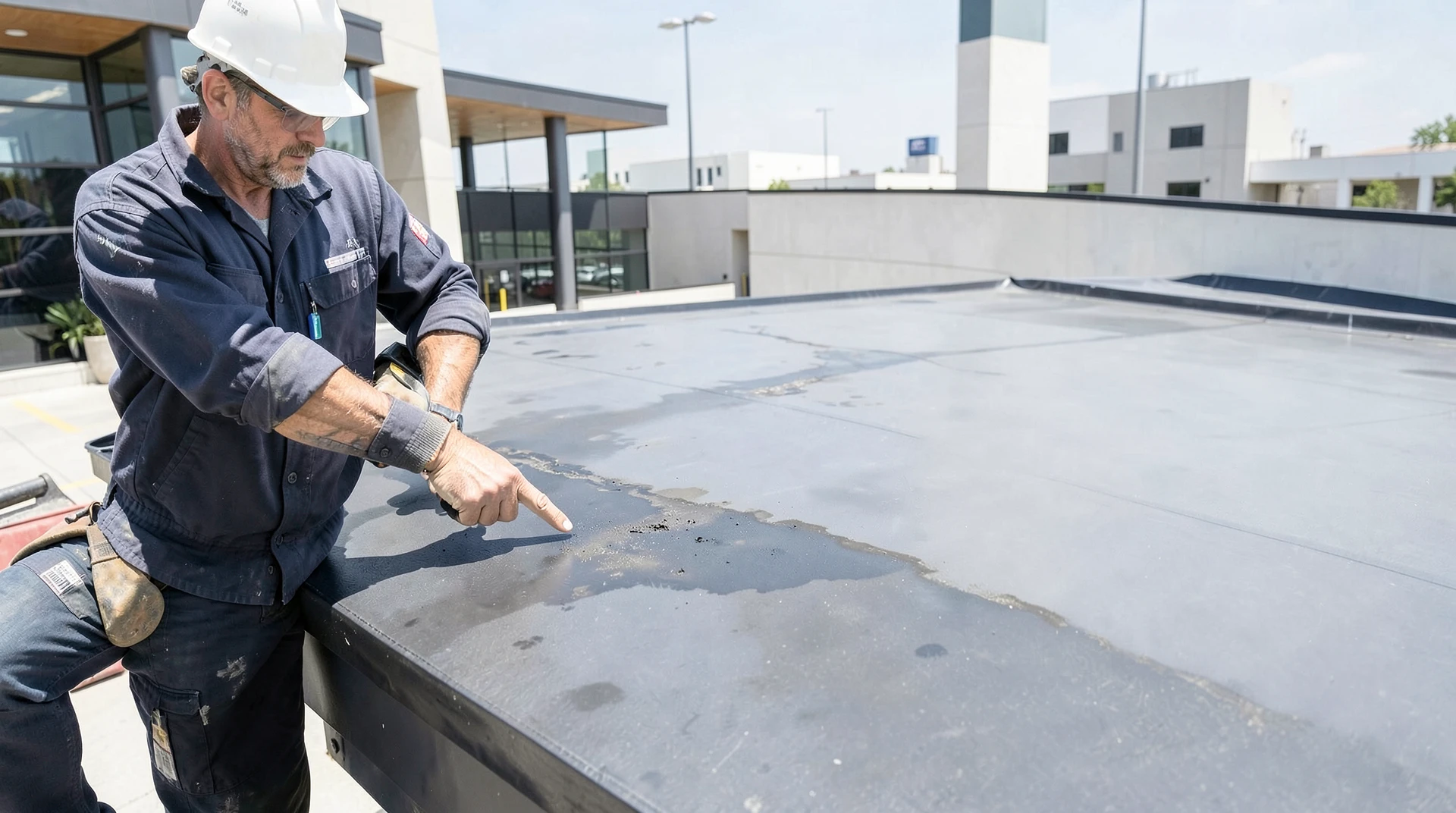
When you own a high-end property in the Indian Creek or Country Place area of North Dallas, every detail matters. From your beautiful interior finishes to the pristine appearance of your exterior structures, nothing is more jarring than discovering an unexpected water stain-a slow leak that threatens the structural integrity of your property. Many homeowners assume that because their roof looks solid from the ground, they are safe. However, flat roofs, while incredibly valuable and functional for modern luxury architecture, are high-performance elements that carry unique vulnerabilities.
My name is Michael Rodriguez, and after spending decades mastering complex commercial and residential roof systems across the Dallas metroplex, I’ve learned one critical truth: roofing failure rarely makes a loud announcement. It's usually a subtle betrayal-a tiny spot of rust or a barely visible seam degradation-that only an experienced eye can catch before it turns into a catastrophic structural emergency. This is why understanding preventing galvanic corrosion on flat roofs with bitumen isn't just technical knowledge; it’s essential property stewardship.
When a Flat Roof Failure Isn't Obvious: Recognizing the Silent Risks in North Dallas Homes
The anxiety surrounding an unnoticed leak can be profound. It’s not just about water damage; it’s about the fear of sacrificing expensive interior finishes, damaged fixtures, and the sudden disruption to your daily life right here in North Dallas. For comprehensive advice regarding roofing in North Dallas, TX, and understanding how issues like this can develop, you should consult with Rock Line Roofing professionals.
Flat roofs are critical components in modern luxury homes, allowing for architectural flexibility and seamless aesthetics. They offer incredible durability when properly installed. However, they require flawless drainage planes and material integrity. When these elements fail-often due to poor flashing or unnoticed chemical interactions-the consequences can be swift and costly.
I’ve seen minor issues escalate dramatically: a few improperly sealed metal penetrations become the entry point for decades of water infiltration, eventually compromising structural support. My perspective is simple: we must shift from being reactive patch-up crews to proactive guardians. By focusing on meticulous inspection-the kind that catches these minute flaws-we intercept problems when they are mere potential risks, not actual emergencies.
The most complex risk often involves a chemical process known as galvanic corrosion. To put it simply, this is what happens when two different metals touch in the presence of moisture and an electrolyte (like rainwater). It’s essentially a chemical battery forming between the mismatched materials, and that reaction eats away at one of them-usually the less noble metal. Understanding this process immediately builds our authority and allows us to spot problems others miss.
Understanding the Chemistry: Why Galvanic Corrosion Threatens Your Bitumen System
When we talk about preventing galvanic corrosion on flat roofs with bitumen, we are venturing into applied chemistry. It’s a complex topic, but I want to break it down so you understand exactly what your roof material is fighting against.
At its core, the mechanism relies entirely on dissimilar metals interacting with moisture. Imagine copper flashing-a durable, common roofing element-touching steel fasteners or supporting joists that are also wet. The combination of these materials and water creates a perfect environment for the galvanic cell to form. This reaction doesn't just cause simple surface rust; it generates an electric current that accelerates deterioration beyond normal weathering rates.
While Modified Bitumen is widely recognized as a premium, high-performing material-excellent in its own right-it is not immune to the surrounding metallic elements of your home’s structure. The integrity of the bitumen membrane itself can be compromised by these electrochemical reactions happening at the interfaces. This justifies why a general inspection isn't enough; we need specialized knowledge to trace the source of corrosion and recommend specific mitigation strategies.
The root cause is often shockingly simple: improper flashing installation or inadequate isolation. When metal penetrations (such as plumbing vents, HVAC lines, or electrical conduits) are installed without proper chemical barriers, they become immediate hotspots for failure. We must differentiate sharply between a superficial rust stain-which is purely cosmetic and concerning only to your curb appeal-and actual structural corrosion, which means the underlying material is losing its thickness and load-bearing capacity. That distinction dictates whether we need an urgent repair or a complete system overhaul. For those needing expert advice on the best roofing White Rock Lake TX, understanding these hotspot risks is crucial.
The Science of Prevention: Designing for Durability in North Texas’s Climate
Modified Bitumen (MB) is frequently chosen for commercial and high-end residential flat roofs because it provides exceptional seamlessness, durability, and resistance to tearing when applied correctly. It's a phenomenal material, but even the best materials need scientific protection built into their installation process.
The key takeaway here is that prevention requires far more than simply applying a roll of bitumen over the existing structure. We must address every point where dissimilar materials meet water. This involves implementing specialized preventative measures: chemical isolation membranes (which act as physical barriers between metals and moisture), using non-corrosive, inert fasteners (like stainless steel anchors), and meticulously layering drainage planes to ensure that any standing water is immediately routed away.
When we talk about preventing galvanic corrosion on flat roofs with bitumen, the focus shifts entirely to material selection at every touchpoint. We advocate for building a system designed specifically for North Texas's climate-which cycles through extreme heat, humid periods, and sudden severe storm fronts. This means utilizing stainless steel or copper where cheaper ferrous metals would interact chemically with the moisture-retaining bituminous membrane.
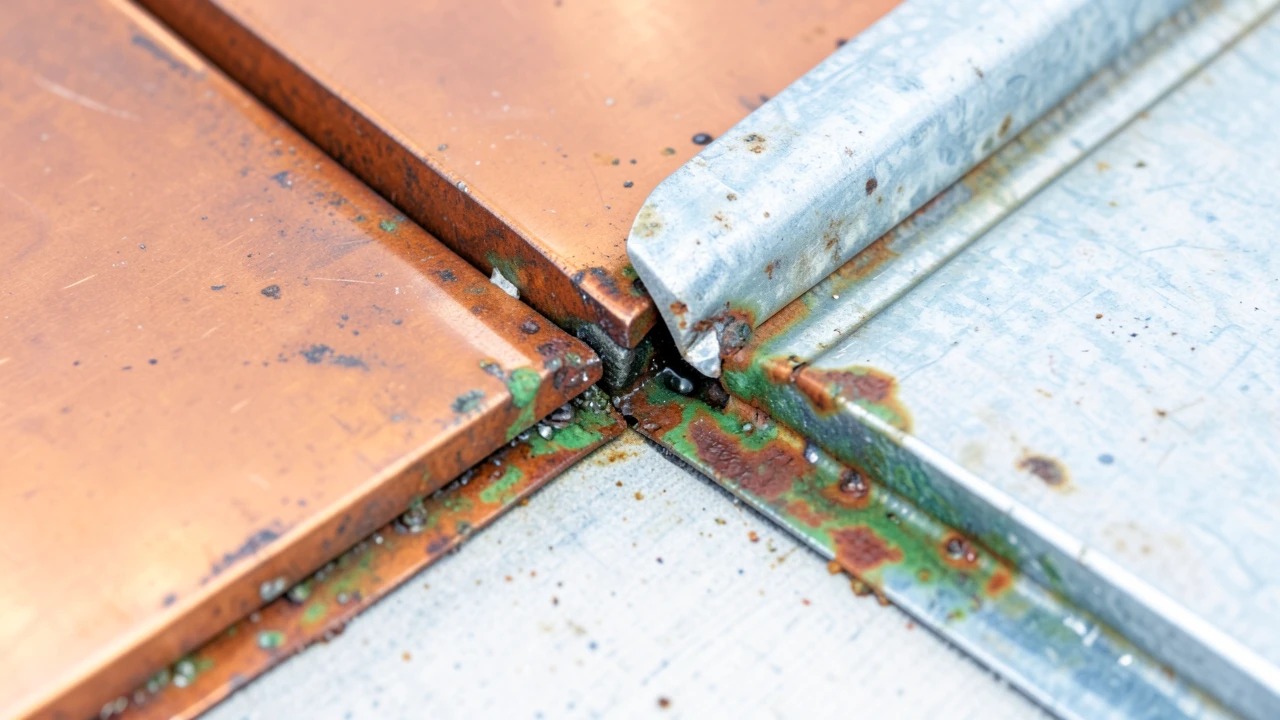
I recall working on a complex flat roof in Lakewood Heights recently where the structural issue wasn't the bitumen itself, but rather how older galvanized support structures were interfacing with new flashing-the interaction was causing accelerated localized deterioration. By specifying and installing chemical isolation membranes at every joint and penetration point, we not only solved the immediate corrosion risk but ensured the longevity of the entire Modified Bitumen roofing system North Texas. It reinforces that prevention is a meticulous installation process; it’s about engineering a shield, not just laying down material.
Beyond Repair: Making Your Roof an Investment Shield Against Future Storms and Wear
It's time to change the mindset from viewing your roof as a costly expense to seeing it as a critical investment protection measure. When you proactively address corrosion risks and structural weaknesses, you are protecting the value of every square foot of that beautiful property.
This becomes incredibly crucial when considering potential storm damage claims. Before a major hailstorm hits-and given how unpredictable severe weather can be in our area-finding and fixing corrosive issues before they occur is invaluable. Why? Because if an insurance claim arises, having a history of proactive maintenance records that show you were addressing these subtle material degradations minimizes financial risk and dramatically simplifies the complexity of the claims process for you.
We are local specialists who understand the value of your property across diverse areas-whether it's managing the architectural nuances of Country Place or servicing the complex multi-story residences near Indian Oaks, we know how to approach preservation with respect. Our commitment is rooted in our neighborhood; whether it’s managing the architectural nuances of Country Place or servicing the complex multi-story residences near Indian Oaks, we know how to approach preservation with respect when managing large commercial buildings.
Maintenance shouldn't be viewed as a reactive measure only taken after water stains appear. We recommend semi-annual assessments. These quick inspections are designed to catch these subtle signs of material degradation-the slight discoloration around flashing, or the minor lifting at a joint-that indicate galvanic corrosion is beginning its work. Catching it early means a targeted, minor repair today, not an emergency replacement next year.
Securing Your Home’s Foundation: The Next Steps After a Professional Assessment
Ultimately, while I can provide you with decades of experience and the scientific knowledge needed to discuss preventing galvanic corrosion on flat roofs with bitumen, nothing replaces a thorough, site-specific physical assessment. We need to see your roof in its unique environment-to understand where the metals are, where the moisture collects, and what materials are currently interacting chemically.
When we conduct an inspection, we provide more than just a list of problems; we give you a comprehensive report that details specific flashing issues, outlines precise corrosion risks (e.g., "Copper-to-Galvanized Steel interaction at South-facing vent"), and recommends actionable, cost-effective repairs. Our goal is always transparent communication.
I know the biggest hesitation after receiving an inspection report is often the cost objection: “How much will this be?” We address that head-on by framing the cost of proactive maintenance and repair against the catastrophic cost of structural damage from unchecked leaks. A targeted, small repair today costs a fraction of what a major water intrusion event-which could ruin interior finishes or necessitate beam replacement-will cost down the line.
If we find minor issues, we recommend a highly targeted repair plan designed to restore integrity without massive disruption. If the systemic failure is too advanced, we provide clear options for full system replacement while minimizing your inconvenience. We never push a solution until you fully understand the science and the scope of work.
The most important step in protecting your home’s foundation is scheduling that initial professional assessment. Before any material decision can be made-and this is critical to avoid costly mistakes-you must have an expert evaluation tailored precisely to the unique site conditions of your North Dallas property. We are licensed, fully insured professionals dedicated solely to making sure your roof remains a shield against future storms and wear for decades to come. Please contact us at +1 469-589-3827 or schedule your consultation online today.