
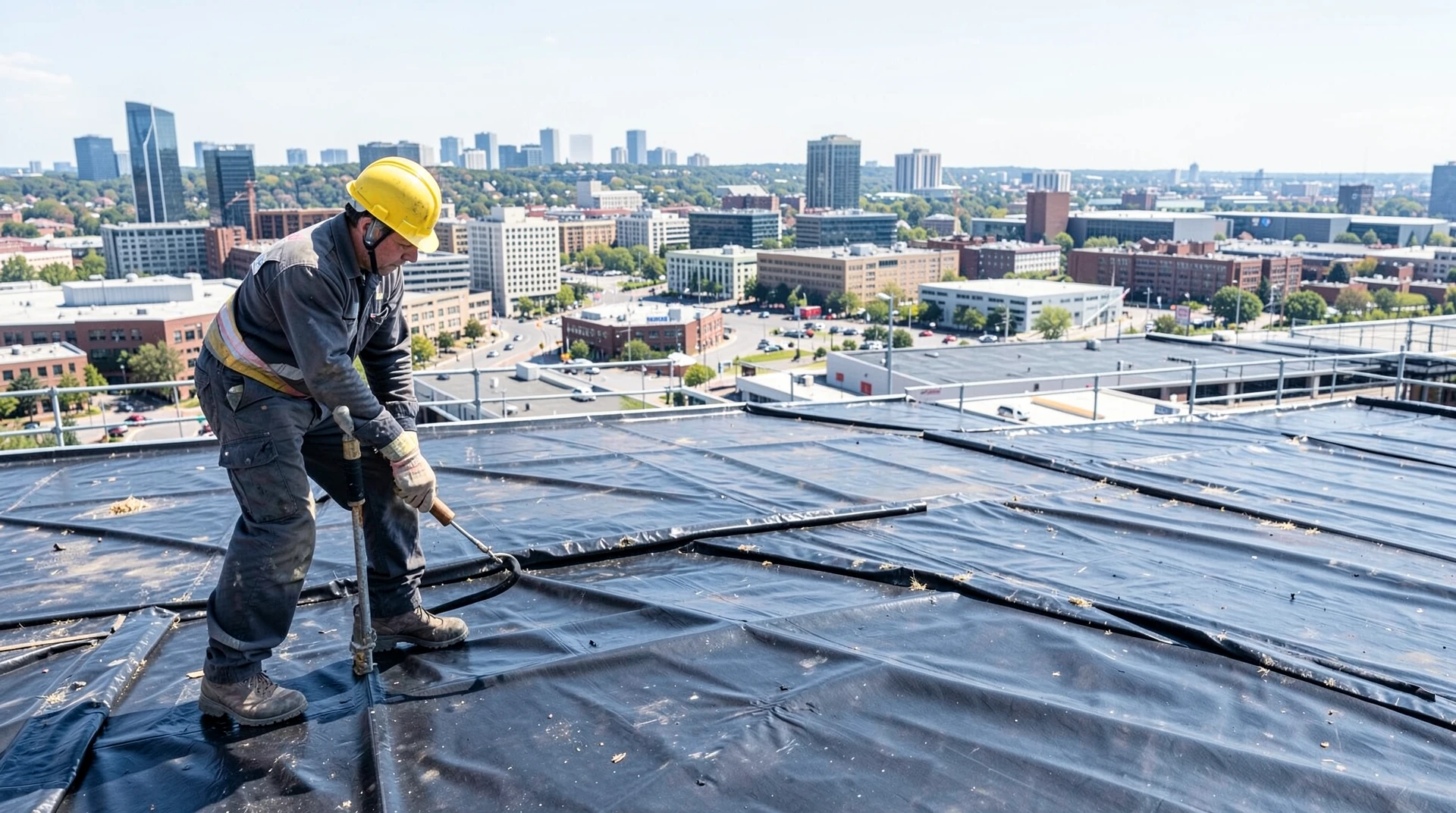
When managing a high-value commercial property-whether it’s an office park in Indian Creek or retail spaces near Knox-Henderson-your roof isn't just overhead coverage; it is one of your most critical assets. Dealing with visible signs of wear, like curling edges or evidence of minor leaks, can be deeply unsettling, triggering the immediate anxiety of structural failure. Because TPO (Thermoplastic Polyolefin) roofing offers such superior durability and energy efficiency for North Dallas’s demanding climate, its replacement process is meticulous. However, knowing what are the steps in a commercial TPO roof tear-off and replacement? can make the overwhelming project feel manageable. This guide demystifies every phase of the job, from the initial assessment to the final, comprehensive warranty setup, ensuring you understand exactly what your investment will receive.
The Critical First Look: Why TPO Replacement Starts with a Detailed Assessment
We often hear that when things leak, it’s time for replacement. While an active leak is certainly a signal, relying solely on damage detection can be reactive and expensive. Michael Rodriguez has spent nearly two decades mastering this field because we believe that seeking professional roof replacement services through proactive inspections catches minor issues before they escalate into costly emergencies. The true starting point-and often the most valuable part of the process-is the detailed assessment.
TPO itself is beloved in commercial sectors across North Dallas for its remarkable combination of durability, low maintenance appeal, and excellent energy reflectivity compared to traditional asphalt or slate systems. It creates a protective shield that resists UV degradation and routine thermal expansion, making it ideal for the intense heat cycles we experience here. But this material only performs as well as the system underneath it.
The scope of our initial assessment is highly comprehensive. We don't just look at the surface membrane; we are checking the entire infrastructure. This includes inspecting the underlying structural integrity-the decking and joists-to ensure they can support a new, heavy-duty roof. Crucially, we also assess how well your drainage infrastructure is functioning and examine the existing membrane for subtle signs of degradation that might not yet be leaking but signal impending failure when considering commercial roofing solutions. For example, are there areas showing excessive granule loss or minor seam bubbling? These small details tell a story about the roof's lifespan.
It’s important to address cost skepticism right out of the gate: A thorough initial assessment is actually a powerful financial safeguard for your budget. By understanding the true root cause of failure-is it poor drainage, compromised decking, or simply end-of-life? Knowing this prevents you from receiving multiple unnecessary quotes and eliminates the risk of paying for a temporary patch when a deep structural fix is needed. We protect your investment by being meticulous about our findings.
Step 2: The Tear-Off Process – Why Proper Removal Is Half the Battle
Many people visualize "tear-off" as simply ripping up old roofing material, but in fact, it requires careful demolition and systematic removal-it’s a controlled process of deconstruction. This stage is absolutely vital because improperly removing the old materials can damage everything underneath, turning a simple replacement into a much more complicated, expensive repair job later on.
The tear-off must be executed with extreme care to remove all existing membranes, debris, and contaminated layers completely. Our crews are trained not only in physical removal but also in safety and environmental compliance, especially when working in densely populated areas like Country Place or Indian Creek. We take the disposal of materials seriously-it's not just about clearing space; it’s about responsible waste management.
During this methodical tear-off, our experts shine brightest because we are constantly looking for things the property owner might miss. This is where hidden structural issues surface: rusted fasteners deep within the assembly, inadequate pitch that causes ponding water, or flashing around vents and equipment that has corroded over decades of cycles. Finding a compromised fastener during the tear-off saves you from leaks years down the line when the decking finally gives out.
We also understand that major construction means disruption. To proactively address the mess, we utilize specialized containment methods right from the start. We coordinate with you to schedule cleanups and manage debris removal in stages, ensuring that while significant work is happening, your daily operations are minimally impacted. Our goal is for this process to feel like a professional overhaul, not an unwelcome construction nightmare.
Building for Longevity: Preparing the Substrate During TPO Replacement
If the tear-off is Phase One, then preparation of the substrate-the underlying structural foundation-is arguably the most critical engineering phase. Many contractors skip or rush this step because it's messy and invisible to the client; but we know that treating the roof deck as a mere platform for new material would be an oversight leading to premature failure.
This preparatory work involves deep cleaning, patching compromised areas of the underlying roofing deck, and potentially strengthening weak points to ensure the entire structure can bear the load and stress of the new TPO membrane for decades. A clean, stable substrate is the bedrock upon which a lasting roof is built.
Next comes priming and sealing. We apply specialized sealants and primers across the prepared surface. This step creates a perfect, impermeable bond between the old, structural elements and the brand-new TPO material. It acts as a preventative barrier against future leaks that might otherwise penetrate through tiny cracks or minute gaps in the decking structure.
Furthermore, we dedicate specific attention to flashing replacement. Flashing-the metal pieces around all penetrations (vents, walls, HVAC units)-is historically one of the biggest failure points on any roof. By replacing all flashings during this prep phase, we guarantee a watertight seal at every single entry point into your building. This meticulous focus on preparation is what allows us to stress that spending time and resources here now saves massive costs associated with premature failures later.
Step 4: Installation of the New TPO Membrane and Seams
Once the substrate is clean, patched, and sealed, we finally arrive at the visible part: installing the new material. The process begins by rolling out the specialized, high-performance TPO sheet material. This product is specifically chosen for its weather resistance to the extreme North Texas environment-withstanding intense UV rays during scorching heat waves while remaining flexible enough to handle rapid temperature drops or occasional severe storms.
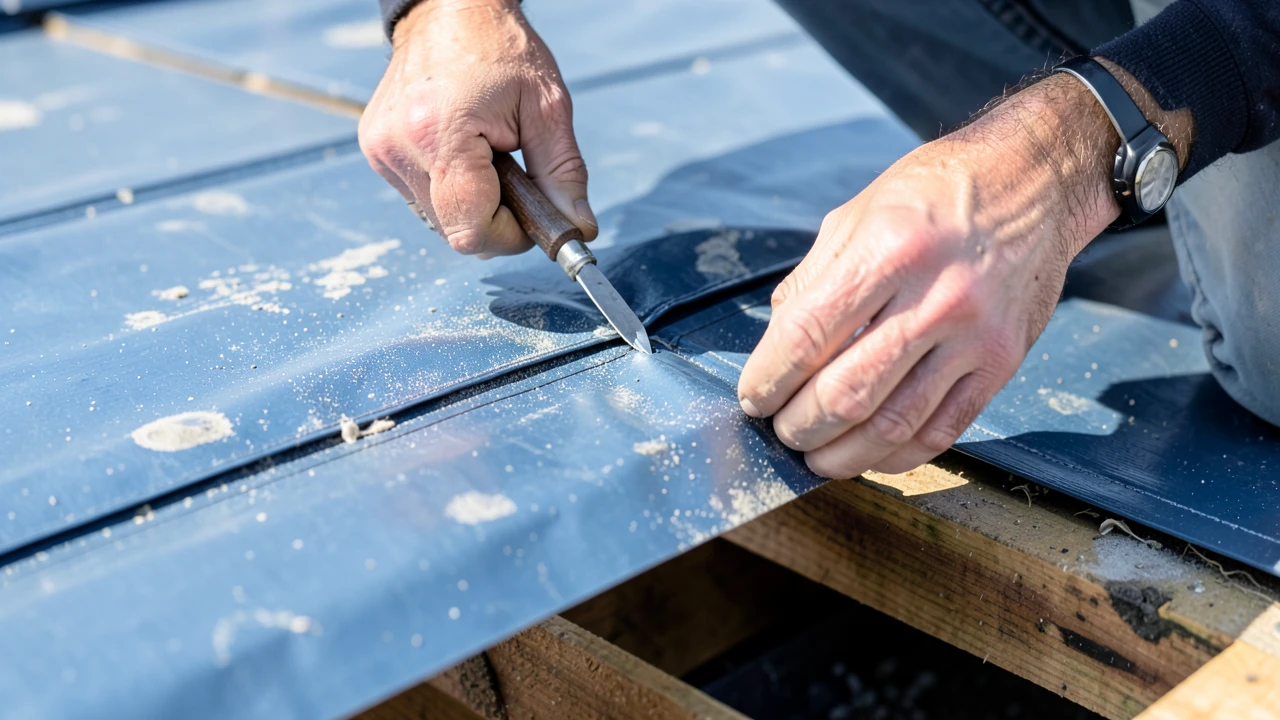
The most crucial technical aspect of this installation phase involves the seams. A new roof is only as strong as its weakest joint. We do not rely on simple tape or adhesives; instead, we use manufacturer-specified welding techniques to create continuous, seamless joints throughout the entire membrane. This welding process melts and fuses adjacent pieces together, creating a watertight barrier that minimizes leak risk to virtually zero.
While commercial roofing is functional, aesthetics matter. TPO comes in various colors, allowing it to complement surrounding architecture-even within highly professional complexes, appearance contributes to property value. We discuss these options with you to ensure the final look aligns with your overall investment vision.
Our assurance regarding quality cannot be overstated: This entire installation process adheres strictly to rigorous industry standards and is backed by our local licensing and insurance compliance in the Dallas metroplex. When you choose a specialized, local contractor, you are choosing peace of mind built into every single weld.
Protecting Your Investment: Post-Installation Sealing and Warranty Setup
The job isn't finished when the last sheet is laid. The final stages are dedicated to ensuring absolute watertight integrity across all edges, seams, and penetration points-a process known as perimeter sealing. This involves applying specialized liquid coatings (often called sealants) around parapet walls, curbs, and HVAC units that were not fully accessible during the initial welding phase. This creates a comprehensive protective cap on every single seam and edge.
Next comes the discussion of warranties, which is crucial for building long-term trust. You are covered by two distinct types of protection: first, the material manufacturer warranty (which covers defects in the TPO itself); and second, the workmanship warranty provided directly by us, your local contractor. This dual guarantee ensures that we stand behind our labor just as much as the product itself.
We also provide a maintenance plan discussion. A true investment requires ongoing care. We advise on routine inspections following replacement to ensure longevity and address any minor settling or issues before they can escalate into major leaks requiring emergency service. The goal is always preventative, not reactive.
Ultimately, we want you to view the entire process-from assessment through final sealing-as a comprehensive shield providing secure protection against the elements for decades, far beyond just being a temporary patch over an old roof.
Moving Forward with Confidence: Why Local Expertise Matters in North Dallas
When considering what are the steps in a commercial TPO roof tear-off and replacement?, understanding the technical details is only half the battle; choosing the right partner that understands local nuances is equally critical. Michael Rodriguez brings nearly two decades of experience mastering complex roofing systems across the entire Dallas metroplex, from single-family structures to large industrial complexes.
We urge you not just to collect multiple quotes based on price, but to talk to a local specialist who deeply understands the specific building codes, unique climate challenges, and specialized needs of North Dallas neighborhoods when considering full-spectrum roofing repair services. Our knowledge isn't theoretical; it's built into our understanding of what works best in these exact zip codes.
Instead of waiting for the inevitable stress point-like that first major leak after a severe storm-we encourage property owners to schedule a proactive inspection. This small investment now acts as your ultimate form of protection, catching those minor issues before they escalate into costly emergencies. We provide transparent pricing and clear communication every step of the way, making us more like an expert friend advising you on home maintenance than just another service provider. Instead of waiting for the inevitable stress point-like that first major leak after a severe storm, we also recommend checking out resources on Far North Dallas shingle roof repair if your needs fall outside our specialty.
Need to know if your roof is ready for a proactive check-up? Call us today at +1 469-589-3827. Serving all areas from Indian Oaks to Cedar Crest with meticulous care and unmatched local expertise.