

If you live or own a property in the affluent neighborhoods of Indian Creek or Country Place, you understand that your roof is more than just shingles and membrane-it’s one of the most critical investments protecting everything inside. Nothing is more jarring to a facility manager or homeowner than discovering a persistent leak, especially if it started with nothing more than a slight puddle on the surface of their commercial flat roof. For homeowners concerned with property integrity, understanding how crucial roof maintenance is for Protecting your North Dallas home should be a top priority.
Many people dismiss standing water as merely an aesthetic problem-just unsightly puddles that need sweeping away. But in roofing terms, this distinction is everything. Ponding water is not just surface pooling; it is a highly actionable indicator of underlying drainage failure and structural vulnerability. It means the roof system cannot efficiently move water to its intended exit points.
Michael Rodriguez’s signature perspective on maintenance has been clear throughout my two decades here in the Dallas metroplex: the best decisions are always made proactively. Ignoring minor puddles, assuming they will evaporate or that a light rain won't bother the area, is essentially allowing small issues to escalate into catastrophic, highly expensive emergencies down the line. When we talk about repairing ponded water on commercial flat roofs, we aren't just talking about removing standing liquid; we are initiating a comprehensive structural audit of the entire system.
High-level diagnosis requires far more than simply looking at where the puddles form. A true expert assessment analyzes the roof as an integrated engineering system: assessing the engineered slopes, confirming the drainage capacity, and scrutinizing the integrity of every seam and membrane junction. The fact that water is pooling tells us precisely where the systemic failure point lies-and getting ahead of it is the greatest way to protect your property value in North Dallas.
The Science Behind the Leak: Why Ponding Water Causes Damage
Understanding the physics of ponding helps facility managers move past simply reacting to leaks and start acting with informed urgency. Standing water creates a perfect, accelerated environment for decay that can compromise the roof structure long before any visible leak appears on the interior ceiling.
The physical process is insidious. When water remains static over an extended period, it doesn't just sit there; it actively starts breaking down materials. This constant dampness accelerates material decay across several fronts. Beneath the membrane, the trapped moisture creates a prime breeding ground for mold and mildew growth-a biological hazard that can permeate insulation and structural sheathing.
But the damage goes far deeper than simply staining the ceiling. We must consider the supporting structures. Metal supports, if exposed to constant saturation, will begin to rust, causing expansion and weakening of the entire load-bearing system. For immediate concerns regarding storm damage roof repair in North Dallas, we assess if wooden decking underneath the membrane is susceptible to wood rot-a slow, silent process that compromises the structural integrity of the roof itself.
A critical secondary concern often overlooked by property owners is what lies below the roof surface. Many commercial buildings have essential mechanical systems-HVAC units, electrical conduits, and plumbing lines-located directly underneath the flat roof deck. Ponding dramatically increases humidity and localized moisture content, which can lead to compromised HVAC efficiency or even dangerous short circuits within sensitive electrical infrastructure.
The cost comparison here is stark: The cost of proactively repairing ponded water on commercial flat roofs through comprehensive drainage enhancement is always exponentially lower than dealing with the aftermath. Dealing with mold remediation (which requires specialized hazmat teams), internal ceiling structural repairs, and full lumber replacement later turns a manageable maintenance expense into an overwhelming disaster budget.
Diagnosis Deep Dive: Identifying Drainage Failures and Causes
If ponding water were a symptom, then professional inspection is the diagnostic test that identifies the root cause. Because we are dealing with complex, engineered systems, merely looking at the puddles themselves is insufficient; we must look into the system.
A critical visual survey from our team includes assessing every single component: the function of all drainage drains and scuppers, verifying internal slope planes (or "pitch"), inspecting expansion joints, and scrutinizing flashing around every penetration point (like pipes or vents). This level of meticulous detail ensures we aren't just patching a visible leak; we are solving the systemic failure. For localized issues, consulting with local roofing experts near you can provide immediate insight into potential structural weaknesses.
On flat roofs, failure points tend to repeat themselves if not addressed:
- Clogged Drains: The most common culprit. Over time, silt, debris, leaves, and accumulated grit clog the drain openings, rendering them useless until water backs up.
- Insufficient Pitch (Slope): If the roof deck's slope is too shallow in certain areas, gravity simply cannot move enough water to clear it efficiently, leading directly to pooling.
- Membrane Deterioration: The waterproof shield itself may have tears or brittle spots that allow initial seepage, which then exacerbates the drainage issue.
- Poor Flashing Installation: Where a mechanical unit enters the roof (a penetration), if the flashing is improperly installed or deteriorated, water will follow the path of least resistance and leak out.
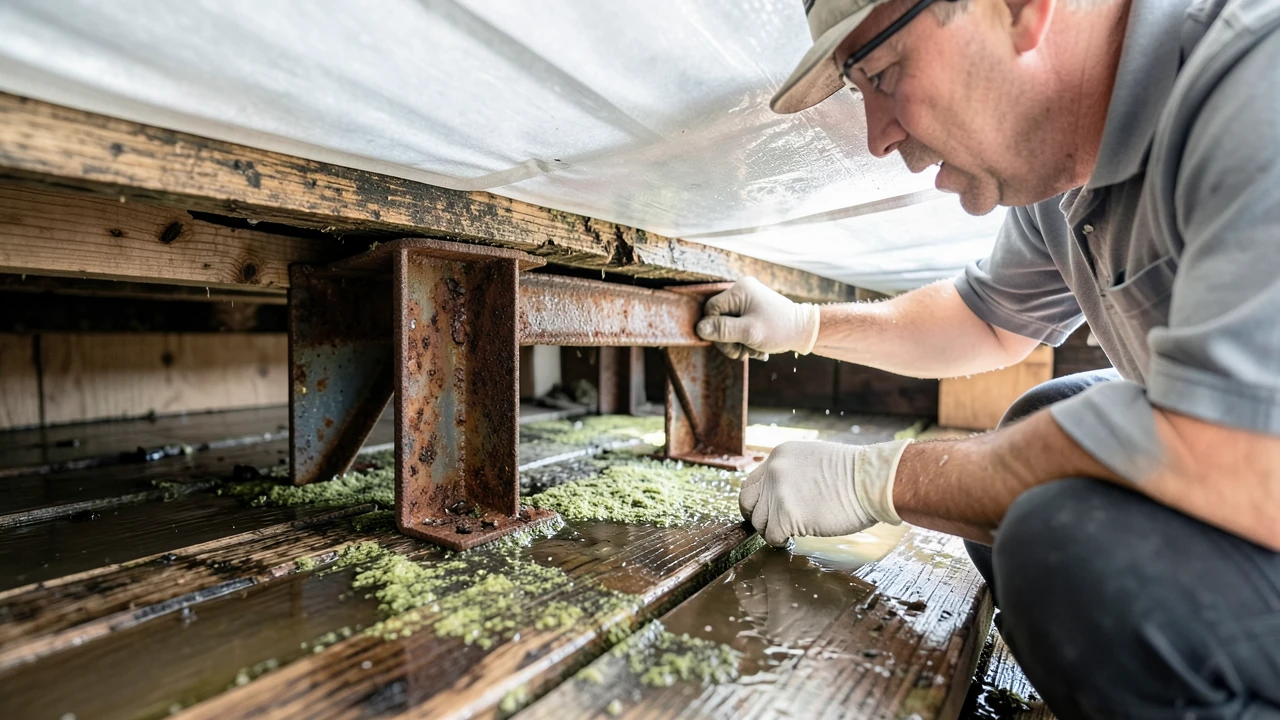
To pinpoint these failures without causing disruption to daily business operations-especially critical in high-density areas like Knox-Henderson or Cedars-we employ non-invasive diagnostic tools. This might include specialized cameras that detect moisture pockets beneath the membrane or sophisticated moisture meters that map humidity levels across the entire surface. When a leak is suspected but incredibly hard to find, we understand that temporary patching is never enough; it requires thorough mapping and structural remediation of the entire roof system to guarantee longevity.
Advanced Solutions for Flat Roof Longevity
Once the root cause has been meticulously identified-be it clogged drains, inadequate slope, or a failing membrane-we move into solutions designed not just to cover the problem, but to fundamentally fix the engineering flaw that allowed the ponding in the first place.
The modern membranes we use are engineered specifically for durability and water management. Solutions like TPO (Thermoplastic Polyolefin) and Modified Bitumen are far beyond simple tar patches; they are complex systems designed to create a durable, waterproof shield tailored to North Texas weather extremes. These materials are selected because of their ability to withstand UV exposure, extreme heat cycles, and chemical contaminants while maintaining elasticity. For homeowners concerned about longevity and local climate resilience, understanding options like shingles for North Dallas homes can be part of a comprehensive roof assessment.
However, simply installing a new membrane is often not enough. We must address the structural flaw. This means focusing on proper slope correction and drainage enhancement. This is where we distinguish ourselves: it’s not about painting over puddles; it involves engineered changes-sometimes requiring mechanical grading or even support replacement-to ensure that water moves away efficiently, following gravity's path to a functioning drain.
For true long-term protection, the repair must be holistic. If structural support replacements are needed before any membrane can be installed (which is often the case after years of ponding), we start from the foundation up. Our best practices for repairing ponded water on commercial flat roofs integrate superior drainage solutions with high-performance, warrantied coatings and membranes, turning a liability into a lasting asset protection layer.
From Repair to Lasting Asset Protection: A Comprehensive Plan
One of the biggest hesitations we encounter from facility managers is disruption. They worry about multi-day construction mess in their active business space. We understand that time is money, and your daily operations must continue uninterrupted. When planning any major roof system repair or replacement, our team plans every phase to minimize intrusion, ensuring a professional, clean process that respects the operation of your facility.
When reviewing potential repairs, always focus on warranties-not just for the materials themselves, but crucially, for the workmanship and the overall system integrity. A cheap upfront cost often translates into expensive failures down the line because the underlying structural issue was ignored. We guide our clients toward understanding true long-term value versus short-term fixes.
Furthermore, robust roof care should be viewed as essential property insurance-a necessary investment to maintain the high curb appeal and resale value of North Dallas properties, whether it's a luxury home in Lakewood Heights or a large commercial complex near the Arts District. For comprehensive protection, consulting with Rock Line Roofing experts can help establish a preventative inspection cycle-your proactive maintenance schedule-to ensure minor signs of wear are caught before they become major concerns.
Before signing any contract for roof work, facility managers and homeowners should ask a few critical questions: Are you licensed specifically within Dallas County? Do you provide a clear, multi-phase estimate that details the structural assessment and the repair scope? And most importantly: What does your warranty cover-the materials, or the labor and workmanship?
If standing water on your commercial flat roof has made you uneasy, trust the seasoned authority of a local specialist. We provide transparent pricing, deep technical knowledge, and a dedicated process to ensure that when we complete our work, you are not just left with a dry patch, but with a permanent shield built for decades of North Texas weather. Call us at +1 469-589-3827 or visit us at 16211 Red Cedar Trail, North Dallas, TX 75248 today for an initial assessment and let’s get your roof protected for good.